

Posted by: Vanessa Dias
Collaborative initiative will evaluate an innovative RNA-based strategy to restore gene expression and accelerate therapeutic development for MED13L Syndrome and other rare neurodevelopmental disorders.
CHICAGO, IL – August 5, 2026 – The MED13L Foundation today announced its participation in a collaborative research initiative led by COMBINEDBrain and Johns Hopkins University (JHU) to evaluate a novel RNA-based therapeutic platform designed to increase gene expression in rare neurodevelopmental disorders caused by haploinsufficiency.
The initiative brings together five rare disease organizations—the MED13L Foundation, IDefine – The Kleefstra Syndrome Foundation, the Koolen-de Vries Syndrome Foundation, DLG4 SHINE Foundation, and DYRK1A Syndrome International—to support research led by Jeff Coller, Ph.D., Bloomberg Distinguished Professor of RNA Biology and Therapeutics at Johns Hopkins University and Professor of Molecular Biology and Genetics at the Johns Hopkins University School of Medicine. By combining resources, patient-derived research models, and scientific expertise, this collaboration aims to evaluate a shared therapeutic strategy that may have relevance across multiple rare neurodevelopmental disorders.
“At the MED13L Foundation, our mission is to accelerate the development of therapies that address the underlying biology of MED13L Syndrome and create meaningful opportunities for individuals and families affected by this disorder,” said Ricardo N. Ramirez, Ph.D., Chief Scientific Officer of the MED13L Foundation. “This collaboration highlights the power of uniting rare disease communities around shared scientific challenges. By partnering with leading researchers and other patient organizations, we can advance innovative therapeutic approaches more efficiently, generate critical preclinical insights, and build the foundation needed to move MED13L therapies toward future clinical studies. We are excited by the potential of RNA-based strategies to restore gene expression and contribute to a new era of precision medicine for rare neurodevelopmental disorders.”
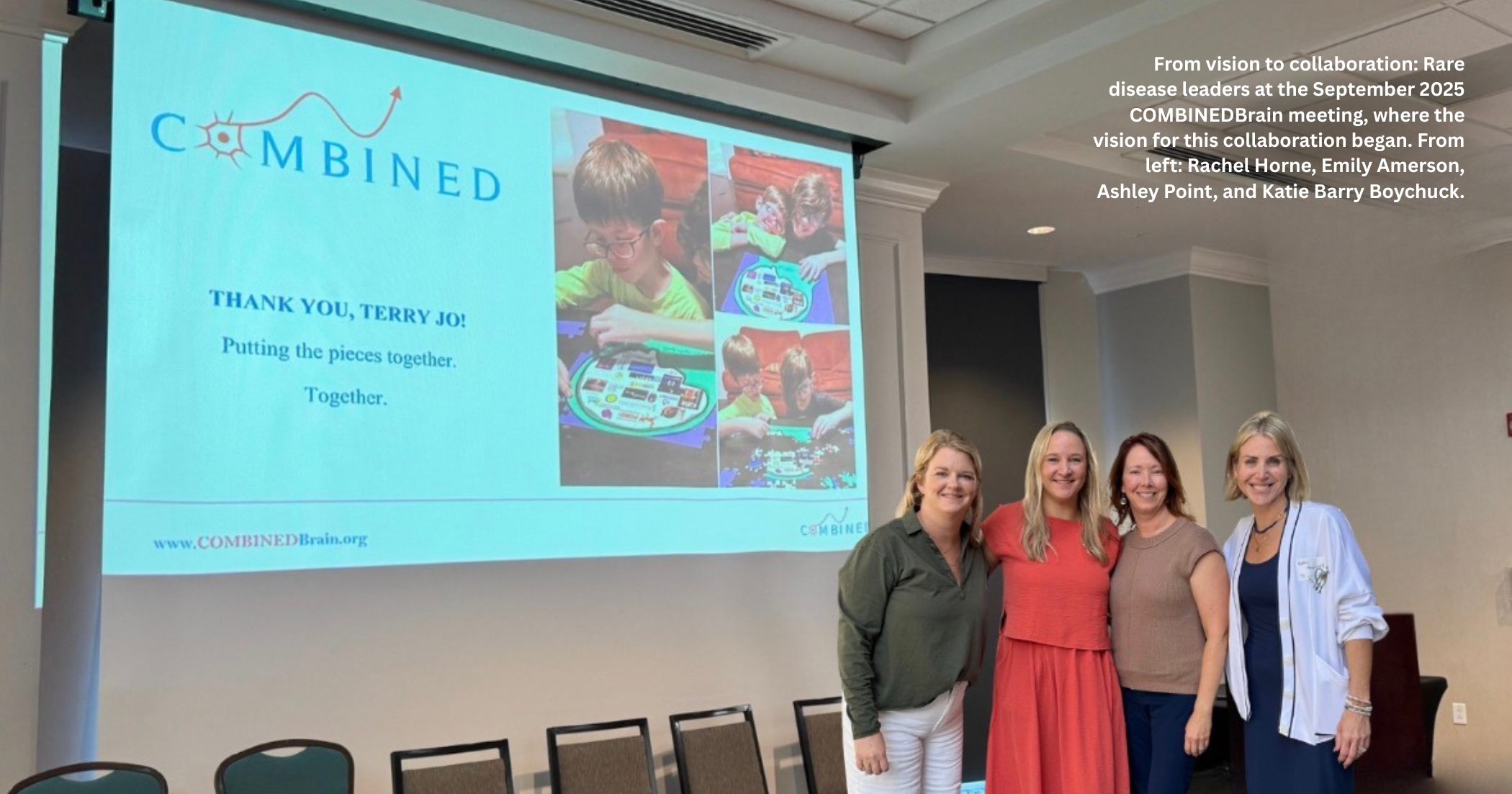
“This collaboration began with a simple belief: rare disease organizations can accomplish more together than any one of us can alone,” said Katie Boychuck, President of the MED13L Foundation. “What began as a shared vision at COMBINEDBrain is now becoming a meaningful investment in a promising therapeutic strategy with the potential to benefit multiple rare disease communities.”
The project focuses on disorders associated with haploinsufficiency, a genetic mechanism in which a single functional copy of a gene does not produce enough protein to support normal development and function. Many rare neurodevelopmental disorders, including MED13L Syndrome, result from this loss of sufficient gene expression. Because of this shared biological mechanism, collaborative evaluation of therapeutic platforms may accelerate discovery and enable strategies that can be adapted across multiple conditions.
The research will evaluate poly(A)-mimetic technology, also referred to as “mRNA boosters,” developed in the Coller laboratory. This RNA-based approach is designed to enhance expression from a patient’s remaining functional gene copy and has demonstrated the ability to increase expression of multiple genes associated with neurodevelopmental disorders in cellular and animal models. Researchers will now evaluate the platform’s potential to restore gene expression in patient-derived cellular models representing participating disorders, including MED13L Syndrome.
For individuals with MED13L Syndrome, restoring expression from the remaining functional copy of MED13L represents a promising therapeutic strategy. This research complements the MED13L Foundation’s broader therapeutic development efforts focused on advancing approaches that address the root cause of MED13L haploinsufficiency and prepare the field for future clinical translation.
The initiative is coordinated through COMBINEDBrain, a consortium of rare disease organizations working together to accelerate therapeutic development through shared research, data, and resources. Through collaborative investments like this, participating organizations are helping establish a more efficient pathway from scientific discovery to potential treatments for rare neurodevelopmental disorders.
The MED13L Foundation remains committed to partnering with families, clinicians, researchers, and industry leaders to advance innovative therapies and bring hope closer to reality for individuals living with MED13L Syndrome.